
Yes it is possible. You do not need to push out the amounts of air that (some) solo stage singers use habitually. Indeed, many choral singers can improve their vocal health, dynamic range and timbre control by learning to use much less air and a much larger “space” or resonant chamber.
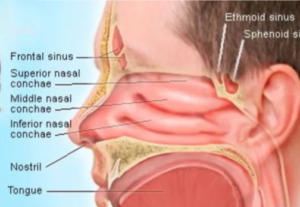
How do we do this? A system of exercises I have developed shows singers and public speakers how to use the upper nasal conchae, sphenoid sinuses, occipital skull and other cranial areas as intrinsic parts of their vocal instrument. Some people and some cultural groups use these spaces “naturally,” however they are rarely mentioned in Western vocal technique.
How will you know it works? Listen to the sound my students can make with their mouths closed. When they open their mouths, a very little air = less than in typical conversation, can produce strong, pleasant, ensemble quality resonance.
The dangers of aerosol diffusion through singing have been emphasized by many sources. My vocal method offers an opportunity to learn to sing better while being optimally considerate of other people’s health. Expanding your resonant space can also enhance vocal and respiratory health, and help you have more fun singing.
__ __ __ __ __ __ __ __
This summer we will review the basics of high breath and resonance that were introduced during last summer’s workshops; with special emphasis on closed mouth singing. Then we’ll proceed to other topics in voice production and musicianship. Several friendly community choir members are expected to join the group.
Excellent spine alignment allows “high” inhalation, taking air directly into the upper nasal conchae. Getting in touch with your high breath gives you a head start for developing your upper vocal resonance. The body like any instrument responds and changes according to how it is used.
Please be seated on a firm chair or stool. Wear clothing that allows you to bend and stretch. It’s best not to eat heavily before this voice session; but do have water or a warm drink available to sip.